


















Finding the best roller skates for kids can feel overwhelming with so many options available. But if you're searching for a gift that combines fun, fitness, and lasting value, you've come to the right place. Here's everything parents need to know about choosing roller skates this Christmas season.
Why Roller Skates Are Still Relevant in 2025
In an age dominated by digital entertainment, getting children active outdoors has become increasingly challenging. The best roller skates for kids offer a solution that doesn't feel forced—children see skating as pure entertainment while parents appreciate the physical and developmental benefits.
Recent studies continue to show that outdoor physical activity improves children's mental health, builds resilience, and develops crucial motor skills. Roller skating delivers all these benefits while kids are simply having fun.
The Real Benefits of Roller Skates for Children
Physical Development and Fitness
When searching for the best roller skates for kids, it's worth understanding what makes them such effective exercise tools. Skating engages core muscles, improves balance, and provides cardiovascular benefits without the joint impact of running or jumping. Children develop coordination naturally as they learn to control their movement and speed.
The activity strengthens legs, hips, and core muscles while building flexibility. As kids progress and attempt more challenging movements, they're constantly refining their physical abilities at their own pace.
Building Confidence Through Achievement
Learning to roller skate teaches persistence in a tangible way. Children experience small victories—standing steady, rolling forward, turning corners, increasing speed. Each milestone builds self-assurance that extends beyond the skating rink. This confidence becomes a foundation for tackling challenges in school, sports, and social situations.
Social Connection and Friendship
The best roller skates for kids facilitate natural social interaction. Whether skating with existing friends or meeting new ones at the park or rink, children engage in collaborative play. They challenge each other, share tips, celebrate achievements together, and form genuine connections through shared experiences.
Types of Roller Skates: Finding the Best Fit for Your Child
Beginner Roller Skates
For children just starting out, look for stable designs that prioritise balance and confidence-building. Sneaker-style skates work well for young learners as they feel familiar and less intimidating than traditional boots. Some beginner models feature enhanced stability features that keep new skaters closer to the ground.
Adjustable Roller Skates for Growing Feet
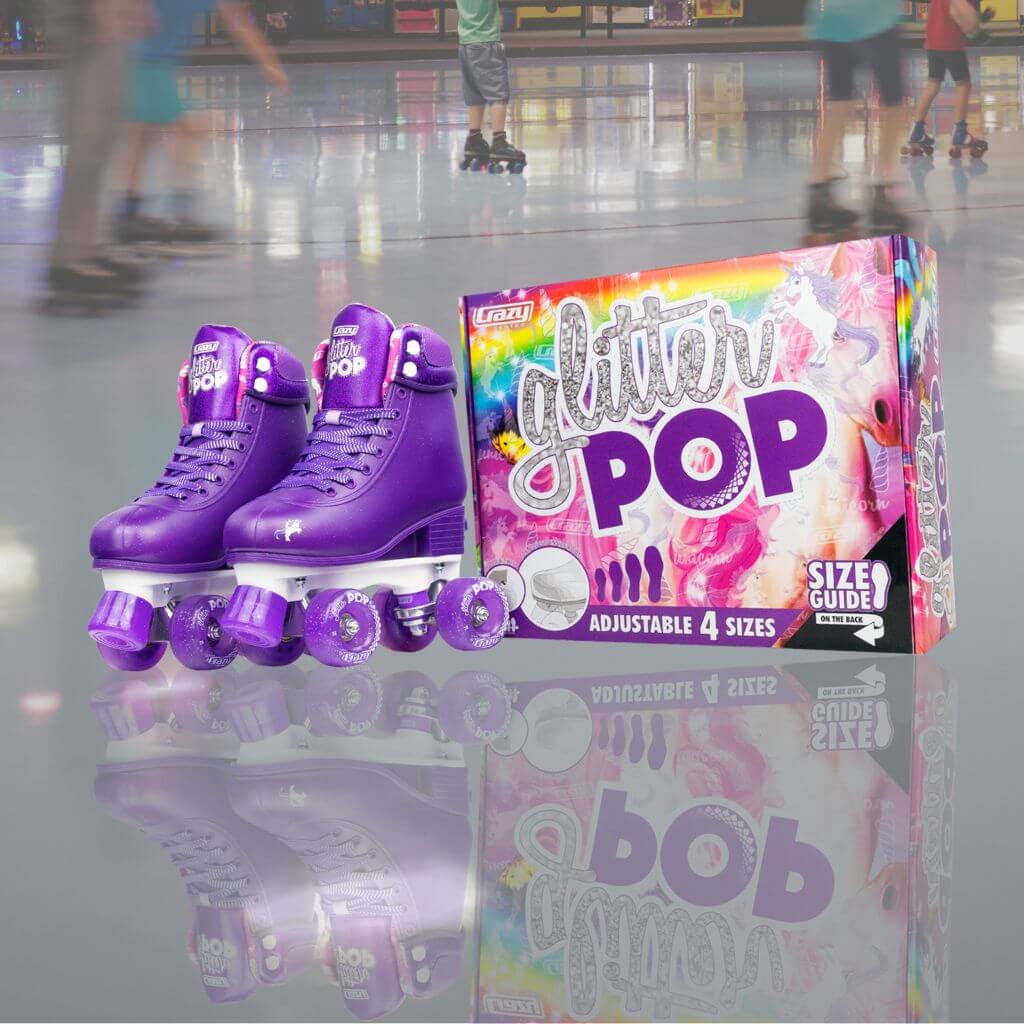
Among the best roller skates for kids are adjustable models that expand across multiple shoe sizes. These designs use simple adjustment mechanisms to accommodate growth, typically spanning four sizes. This feature makes them economical choices that last through multiple growth spurts rather than needing replacement every season.
Adjustable skates also make excellent gifts from extended family members who may not know the child's current shoe size—the flexibility ensures a proper fit.
Skates for Different Skating Styles
Artistic and Dance Skating: Traditional high-top boot designs support ankle movement needed for spins, jumps, and dance-style skating. These appeal to children interested in figure skating aesthetics.
Speed Skating: Low-cut designs prioritize agility and speed. If your child loves going fast and racing friends, streamlined speed skates deliver maximum performance.
Recreational Skating: Versatile all-purpose designs work for casual neighborhood skating, park visits, and general fun without specializing in one style.
Key Features to Look for in Quality Kids' Roller Skates
Safety and Support
The best roller skates for kids provide adequate ankle support without restricting movement. Look for padded collars, secure closure systems (laces, buckles, or straps), and quality construction that holds up to regular use.
Wheel Quality
Wheels affect both performance and durability. Higher-quality urethane wheels roll smoothly, last longer, and provide better control than cheap plastic alternatives. Consider wheel hardness based on where your child will skate—softer wheels work better outdoors on rough surfaces, while harder wheels suit smooth indoor rinks.
Build Quality vs. Toy Skates
There's a significant difference between toy skates and properly constructed roller skates. Quality skates use durable materials, feature reliable bearings, and provide genuine performance. While they cost more initially, they last substantially longer and deliver a better skating experience that encourages continued use.
Where and When Kids Can Use Roller Skates
One advantage when choosing the best roller skates for kids is their versatility. Unlike activities requiring specific facilities or memberships, skating happens almost anywhere:
- Driveways and quiet streets
- Parks and recreational paths
- Indoor spaces (smooth floors)
- Skate rinks and skating events
- School playgrounds (where permitted)
This accessibility means children can skate spontaneously whenever inspiration strikes, not just during scheduled activities. Both sunny days and rainy afternoons work—just move indoors when weather doesn't cooperate.
The Economic Case for Roller Skates
Compared to ongoing subscription costs for classes, memberships, or digital entertainment, roller skates represent a one-time investment with years of return. Quality skates typically last multiple seasons, especially adjustable models that grow with children.
There are no recurring fees, no special venues required, and minimal additional costs beyond optional protective gear. The cost-per-use becomes remarkably low as children skate regularly throughout childhood.
Making Family Memories
Perhaps the most valuable aspect of choosing the best roller skates for kids is how they facilitate family bonding. Parents who skated as children often find themselves back on wheels, sharing experiences across generations. Weekend skating sessions become family traditions. Evening neighborhood rolls create spontaneous quality time.
These aren't structured activities requiring coordination—they're organic moments that happen when everyone has skates and a free afternoon. The memories created during these casual outings often become the stories families tell for years.
Roller Skating as a Lifelong Activity
Unlike trendy toys with limited appeal, roller skating tends to endure. Children who learn to skate often continue through adolescence and into adulthood. The skill becomes part of their identity and recreational repertoire.
Many adults who skated as children later introduce their own kids to skating, creating intergenerational traditions. It's an activity that genuinely spans lifetimes rather than just seasons.
Addressing Common Parent Concerns
"Will they actually use them?" Skating's appeal lies in the freedom and speed it provides. Most children naturally gravitate toward activities that let them move fast and explore—skating delivers both. The key is ensuring proper fit and providing encouragement during the initial learning phase.
"What about safety?" Like cycling or any active play, skating involves some risk. Proper protective gear (helmets, knee pads, wrist guards) significantly reduces injury potential. Most skating injuries are minor and part of the learning process. Starting on smooth, flat surfaces helps build skills before tackling more challenging terrain.
"How do I know what size to buy?" Adjustable skates solve sizing uncertainty. For fixed-size skates, measure your child's foot and consult manufacturer sizing charts. When in doubt, slightly larger is better than too small—thick socks can fill minor gaps while feet can't squeeze into too-small skates.
Why 2025 Is the Perfect Time
There's been a notable resurgence in roller skating popularity among children and teens. Social media has showcased skating culture, making it feel fresh and relevant to today's kids. The activity bridges vintage appeal with modern style, attracting children who might otherwise spend all their time indoors.
Additionally, post-pandemic awareness about outdoor activity benefits has parents actively seeking ways to get children moving. The best roller skates for kids check all the boxes—outdoor play, exercise, social interaction, and genuine fun.
Making Your Decision
When evaluating the best roller skates for kids this Christmas, consider:
- Your child's age, size, and experience level
- Intended skating locations (indoor vs. outdoor)
- Budget and long-term value (adjustable vs. fixed sizing)
- Skating style preferences (speed, artistic, recreational)
- Quality construction that ensures safety and durability
The right choice balances these factors while matching your child's personality and interests.
The Bottom Line
Among Christmas gift options, the best roller skates for kids deliver exceptional value. They encourage outdoor activity, build physical skills, develop confidence, facilitate friendships, and create family memories—all while providing entertainment that lasts for years.
Unlike toys abandoned after initial excitement fades, quality roller skates become tools for ongoing adventure. They're not just presents to unwrap; they're invitations to explore, grow, and create the kind of childhood memories that last a lifetime.
This holiday season, consider giving a gift that truly keeps on giving. The best roller skates for kids might just be the most impactful present under your tree.






Leave a comment (all fields required)